
Awards
9 March
1 min. read
RedLeaf Mixed-Use Redevelopment Tops the Atlantic’s List of National Mall Transformations
By Alana Semuels
3/9/15
In many areas of the country developers are finding new uses for dead malls. Dunham-Jones keeps a database of projects that retrofit dying malls for other purposes, and says that there are 211 spaces across the country being retrofitted in one way or another.
“Malls are being turned into medical centers, colleges, elementary schools, churches,” she said.
The Highland Mall in Austin, Texas, for instance, was named one of “America’s Most Endangered Malls” by U.S. News & World Report in 2009. One of the first suburban malls in Austin, the shopping center opened in 1971 covering 81 acres, and had 1.2 million square feet of interior space. By 2010, though, nearly all of the stores were vacant.
The administrative offices of Austin Community College (ACC) were located right on the edge of the mall. It became frustrating to watch the anchor stores leave and the area become more and more economically depressed, Richard Rhodes, the president and CEO of ACC said in an interview.
“What happens when a mall begins to deteriorate and no longer function as a mall?” he said. “In the surrounding neighborhoods, you begin to see the crime rate increase, other homes and buildings being vacated—the whole community surrounding it begins to deteriorate.”
The college decided to step in and purchase the mall, with a plan to make the buildings a centerpiece of a planned, mixed-use community. It worked with Barnes Gromatzky Kosarek Architects, who took a former JC Penney building and made it into what Rhodes calls “the galaxy’s largest learning emporium,” which has 604 computer stations, 200,000 square feet of instructional space, a library, and offices.
The space formerly “looked like a World War II bunker,” Rhodes told me.
Then, in November’s elections, voters in Austin approved two bond propositions that will fund $386 million in construction for the college. Much of that money will go to renovating the mall further to create a regional-workforce center, a STEM simulator lab, a digital-media center, and a culinary and hospitality center. The college plans on putting restaurants into the space that are managed by the students so they can get real-world experience, Rhodes said.
Last summer, the college entered into a partnership with San Antonio-based cloud-management company Rackspace to move 570 employees into an area that was formerly a Dillard’s, which will allow students to intern at the company as well.
Construction is still underway, but the changes have already been making a difference, Rhodes said.
“Just since we’ve started construction, we’ve seen the surrounding community improve,” he said. “New businesses opened up and vacant businesses have been purchased. It’s turning around the local neighborhood.”
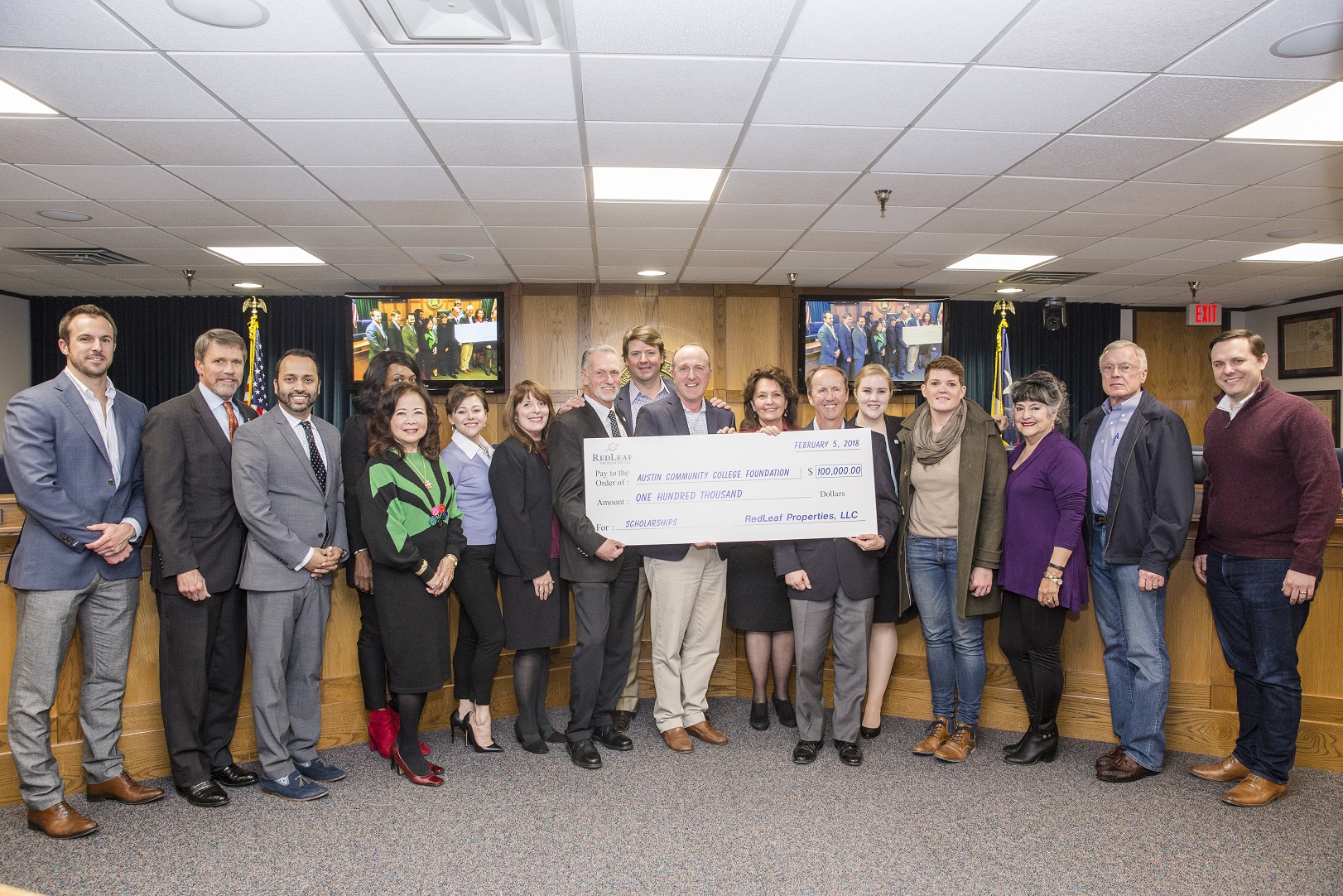
RedLeaf Establishes $250K Scholarship Fund for Single Mothers at ACC, Makes First $100K Contribution
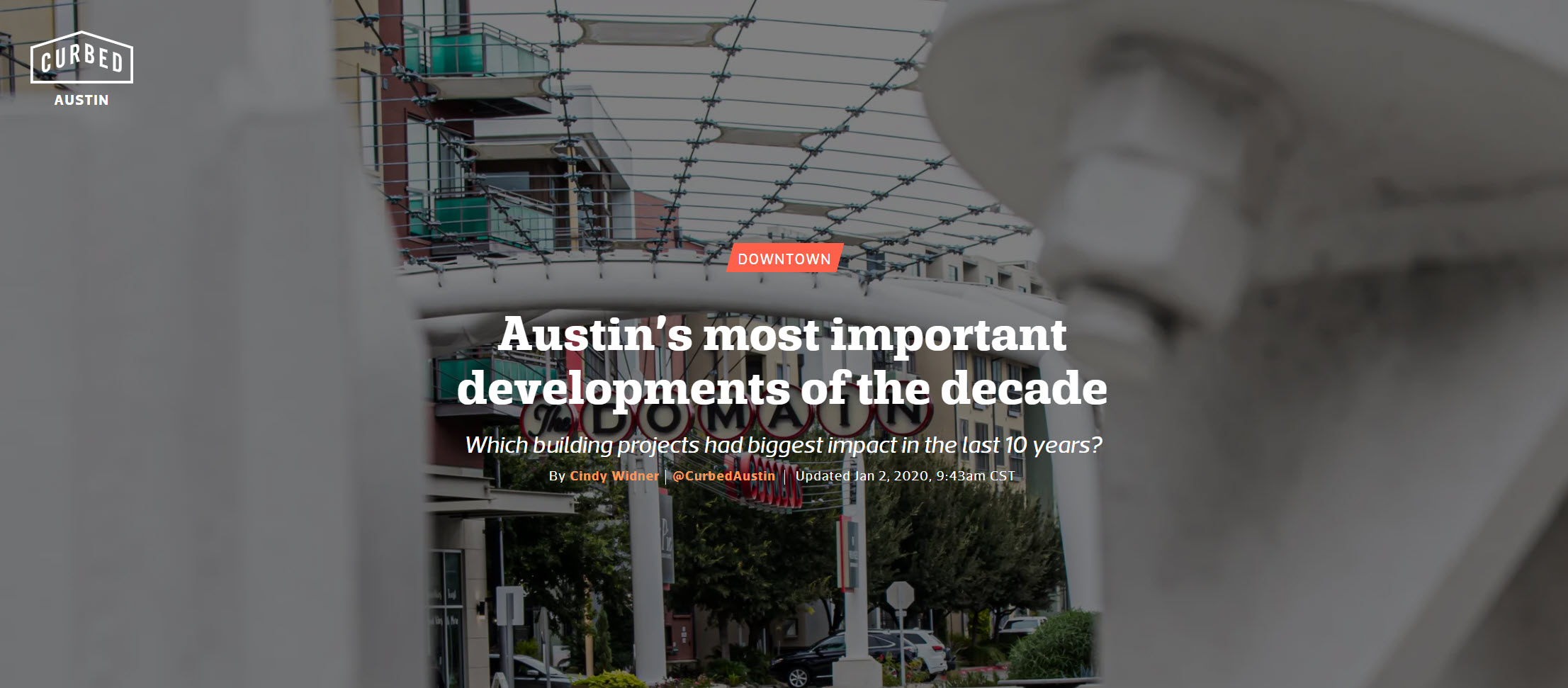
Curbed Austin Lists Highland in Austin’s Most Important Developments of the Decade
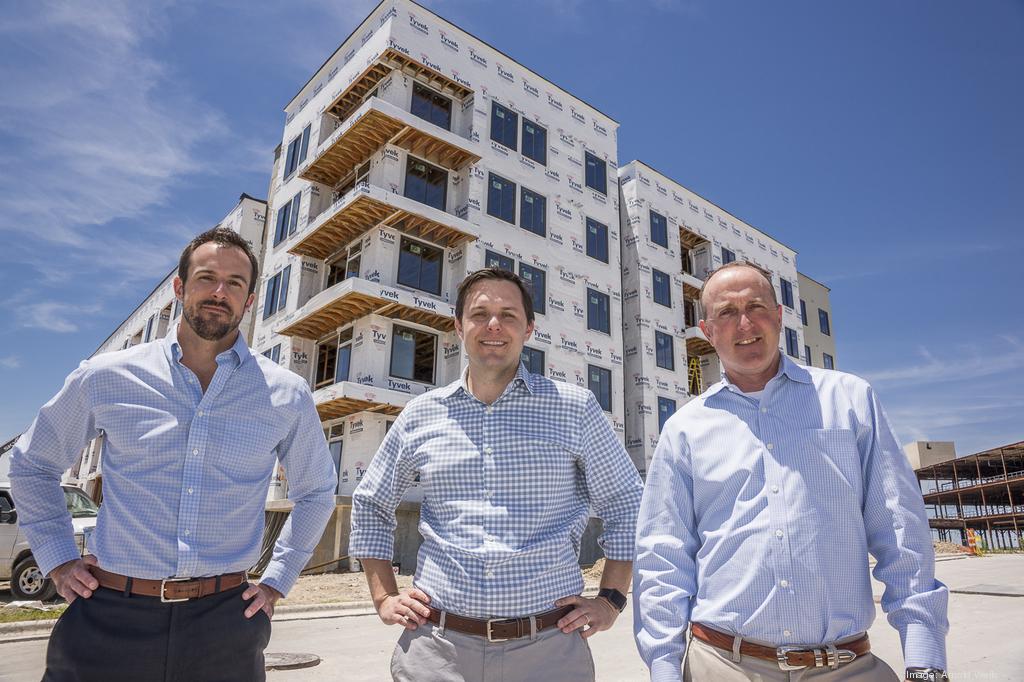
How RedLeaf Properties is Transforming Austin’s Old Highland Mall